

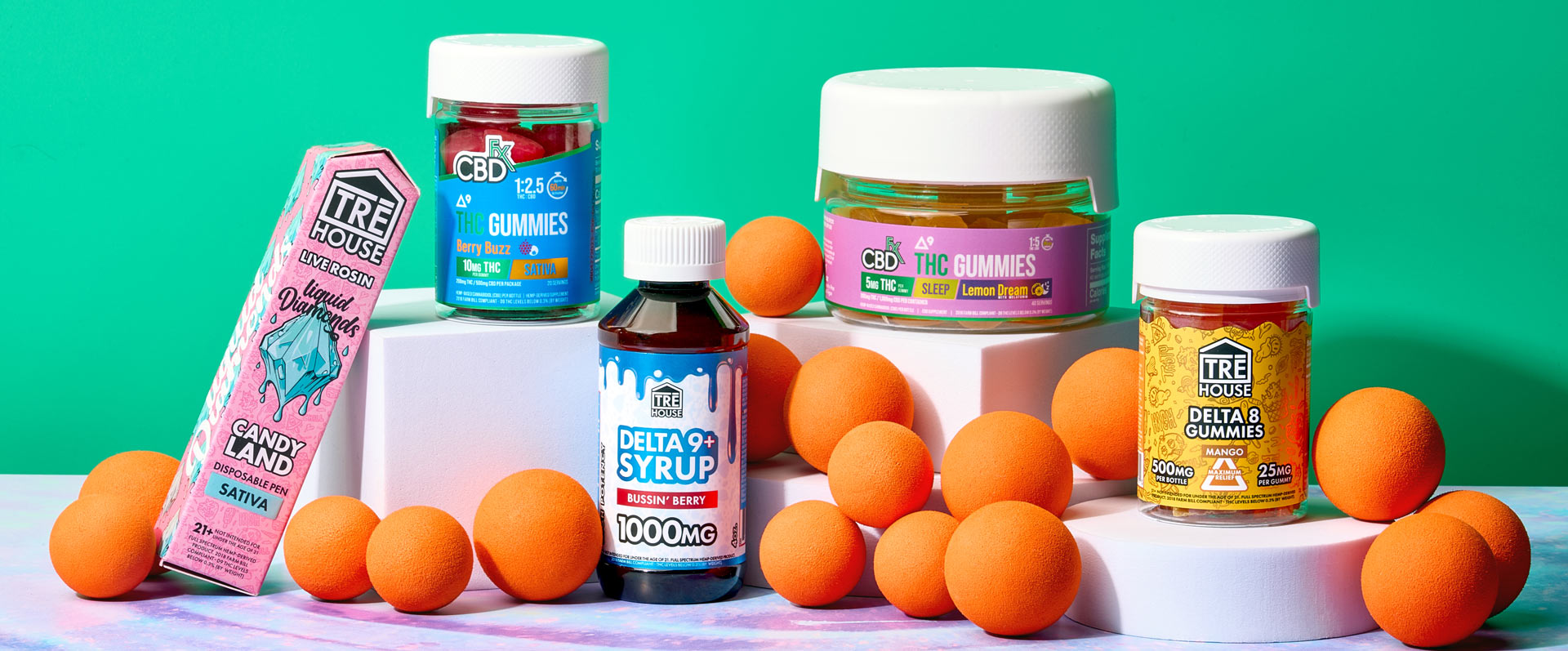
When it comes to learning about the world of marijuana and hemp, you just might face the inevitable question, what is THC? Tetrahydrocannabinol (or THC) is the primary psychoactive compound in cannabis responsible for the euphoric feel associated with marijuana use. It’s perhaps the most well-known cannabinoid due to its “high” effects. THC has strong psychoactive effects as it interacts with cannabinoid receptors in the brain and nervous system, particularly the CB1 receptors, which are responsible for modulating various physiological processes, such as mood, memory, appetite, and perception of pain.[1] Beyond its recreational use, THC also has therapeutic potential and is being studied for its possible benefits in managing conditions, like alleviating minor aches and pains, stress, and more.
Where Does THC Come From?
THC is synthesized in specialized structures called trichomes, which are tiny, mushroom-shaped glands found on the surface of the cannabis plant. These trichomes are most abundant on the flowering buds of the female cannabis plant. Within the trichomes, THC is produced in its acidic form, THCA (tetrahydrocannabinolic acid), through a series of biochemical reactions involving precursor molecules and enzymes.
As the cannabis plant matures, particularly during the flowering stage, the concentration of THCA within the trichomes increases. When exposed to heat or light through processes like drying, curing, or smoking, THCA undergoes decarboxylation, a chemical reaction that removes a carboxyl group, converting it into THC. This transformation is what activates THC’s psychoactive effects.
After consumption, THC interacts with cannabinoid receptors in the brain and body, leading to various physiological and psychological effects. THC, then, is metabolized in the body into various metabolites, which can be detected in bodily fluids such as urine, blood, and saliva during drug tests.
Cannabidiol & Tetrahydrocannabinol: How Are They Different?
CBD (cannabidiol) and THC (tetrahydrocannabinol) are two prominent cannabinoids found in the cannabis plant, each with distinct characteristics and effects. As we mentioned, THC is a psychoactive substance found in the cannabis sativa plant, binding to cannabinoid receptors in the brain and inducing the euphoric “high” commonly associated with cannabis use. THC is the compound most commonly associated with psychoactive effects, while CBD lacks psychoactive effects, as it does not strongly bind to cannabinoid receptors and does not produce intoxication. When derived from hemp plants, CBD contains less than 0.3% THC, making it a popular option for those seeking the wellness benefits associated with the chemical compound.[2]
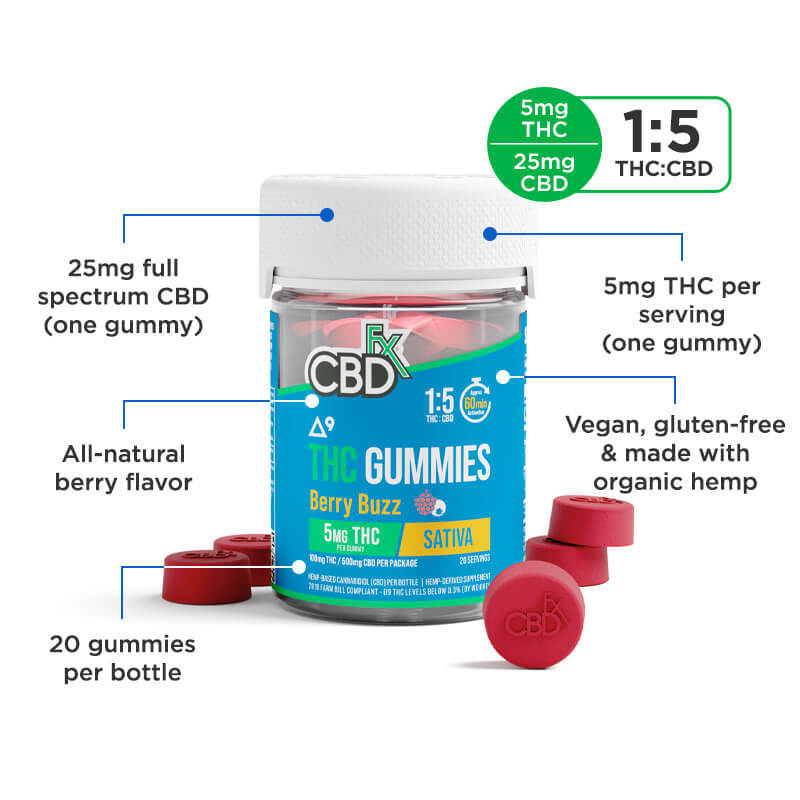
Both cannabinoids have garnered attention for their potential benefits, albeit for different reasons. THC has often been utilized in alleviating conditions, like minor aches and pains, nausea, and more. Meanwhile, CBD has also emerged as a promising wellness agent, with applications ranging from stress relief to sleep support. It is often favored by individuals seeking relief without the intoxicating effects associated with THC. It isn’t uncommon for both compounds to be found in products, like CBDfx Berry Buzz THC + CBD Gummies.
Your Guide to Cannabinoids
When exploring the world of cannabinoids, it’s important to understand the variety of natural compounds found in the cannabis plant. From the ever-popular delta 9 THC to rising stars, like delta 8 THC and delta 10 THC, alongside lesser-known variants such as HHC and THCV, delving into cannabinoids is pivotal for understanding cannabis-based wellness products. In this guide, we look into the diverse variety of cannabinoids, uncovering their distinct properties, and wellness potentials, perfect for helping you make informed decisions in leveraging the benefits of these cannabis-derived compounds. Whether looking for a product to help alleviate minor aches and pains, or something to help you sleep, like Lemon Dream THC Gummies with CBD and Melatonin from CBDfx, it’s important to understand the cannabinoids at work.

Delta 8 THC
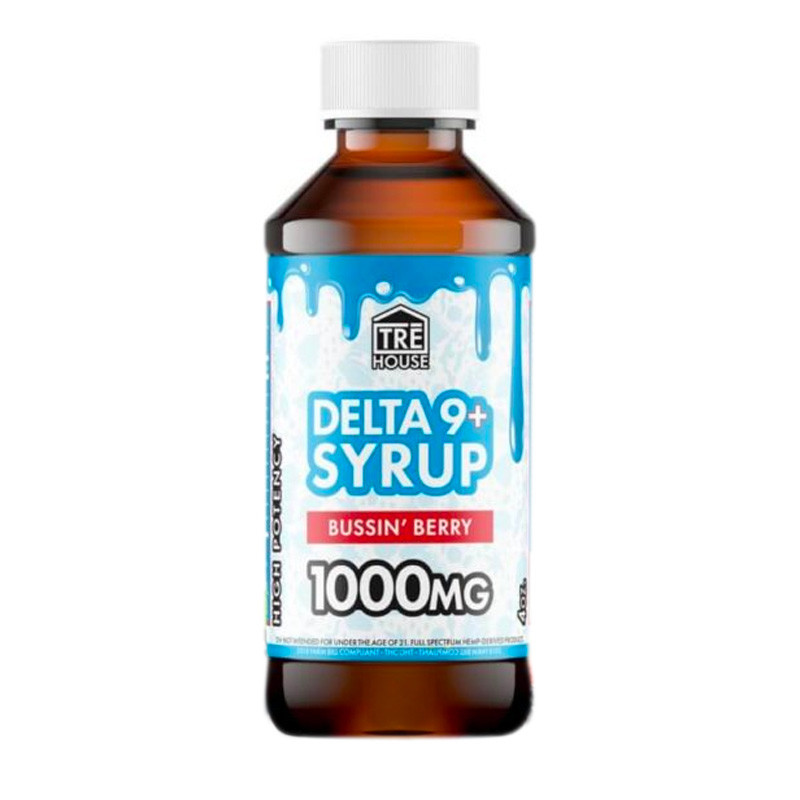
Delta 8 THC, short for delta 8 tetrahydrocannabinol, is a cannabinoid found in the cannabis plant. It shares a similar chemical structure with delta 9 THC, the well-known psychoactive compound responsible for the “high” associated with marijuana use. However, delta 8 THC is less potent than delta 9 THC, and offers a more mild psychoactive effect. It occurs naturally in small quantities in cannabis plants, but it can also be synthesized.[3] Delta 8 THC is gaining popularity for its potential relaxation and recreational benefits. Delta 8 appears in various products, including Delta 8 + Delta 9 THC Syrup from TRĒ House.
Delta 9 THC
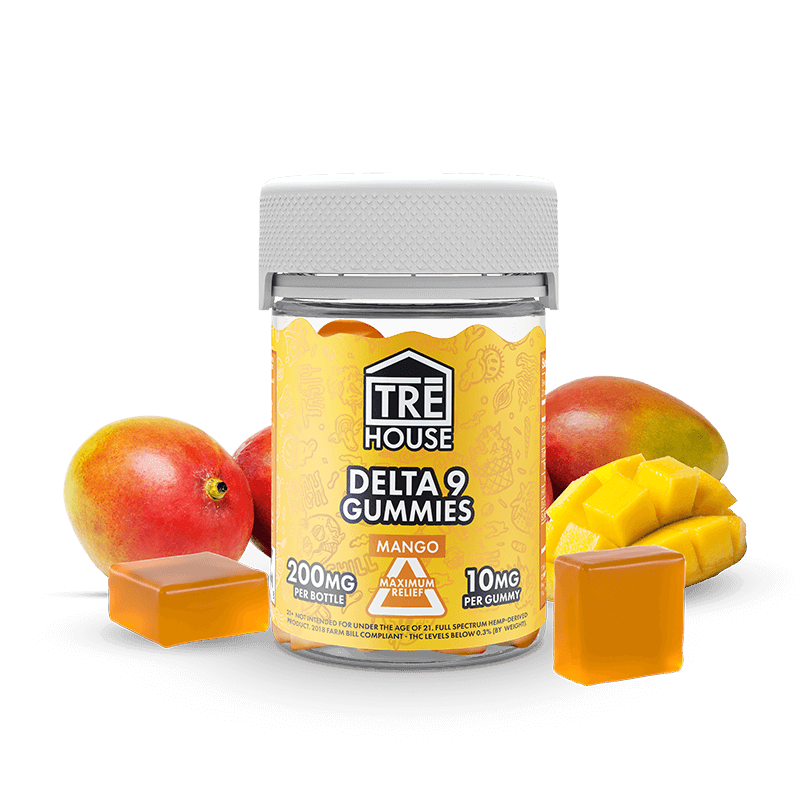
Delta 9 THC, or delta 9 tetrahydrocannabinol, is the primary psychoactive compound found in the cannabis plant. It’s known as being the compound responsible for the sense of euphoria associated with marijuana use.[4] Delta 9 THC interacts with the central nervous system and cannabinoid receptors in the brain, altering neurotransmitter release and leading to its psychoactive effects. This cannabinoid is typically found in higher concentrations in marijuana strains, although it occurs naturally in trace amounts in hemp, as well. Delta 9 THC works well in a multitude of products, including Delta 9 Gummies from Trē House.
Delta 10 THC
Delta 10 THC is a minor cannabinoid found in the cannabis plant. Similar to delta 9 THC and delta 8 THC, delta 10 shares some structural similarities with both cannabinoids, but has its own distinct effects. Delta 10 THC is typically present in very small amounts in cannabis, and its psychoactive properties are described as even more mild than delta 8 or delta 9.[5]
HHC
Hexahydrocannabinol (HHC) is a lesser-known synthetic cannabinoid that shares structural similarities with THC. Like THC, HHC interacts with the body’s Endocannabinoid System,[6] meaning that it attaches to cannabinoid receptors. It’s said that HHC features psychoactive properties similar to THC, however on a more mild scale.
THC-P
Tetrahydrocannabiphorol (THC-P) is a newly discovered cannabinoid found in cannabis. It’s structurally similar to THC, but it has a longer alkyl side chain of seven atoms, which may result in more potent effects. It is believed that the effects of THC-P can feel significantly more potent than the standard THC, potentially affecting the body’s endocannabinoid system in different ways.[7] When mixed with other cannabinoids, like in TRĒ House’s Live Rosin Liquid Diamonds THC Vape Pen, the euphoric effect can be even more pronounced.

THCA
THCA, or tetrahydrocannabinolic acid, is a cannabinoid compound found in raw cannabis plants. THCA is the precursor to THC, but unlike THC, it does not produce intoxicating effects on its own, but does when exposed to heat through processes like smoking, vaping, or cooking (decarboxylation). It converts into THC, leading to the characteristic psychoactive effects associated with consuming cannabis.
THCB
Tetrahydrocannabivarin (THCB) is a minor cannabinoid found in cannabis. It is structurally similar to THC, but has distinct effects. While THC is known for its psychoactive properties, THCB is believed to have much stronger intoxicating effects. It’s also believed that THCB may have potential therapeutic properties.
THCV
THCV, or tetrahydrocannabivarin, is much like its cannabinoid counterparts in the sense that it shares a similar molecular structure as THC, but produces different effects. However, THCV is typically derived from the hemp plant. While THC is known for its psychoactive properties, THCV is believed to have less intoxicating effects, though it can still influence mood and cognition. It’s believed that THCV may have potential therapeutic properties, such as appetite suppression and more.
THCjd
THCjd (tetrahydrocannabioctyl) is one of the lesser-known cannabinoids naturally occurring in cannabis. With its unique 8-link alkyl side-chain, it delivers an intoxicating experience reported to be several times more potent than delta 9 THC and significantly stronger than delta 8. While some describe THCjd as inducing a calming, sedative effect leading to a “couch-lock” sensation, others find it invigorating and mood-elevating. Despite its potency, hemp-derived THCjd falls within federal legal limits, available through various channels, while marijuana-derived THCjd remains restricted by national law, except in states with legalized cannabis. It’s crucial to understand local regulations before purchasing or consuming THCjd products.
| Cannabinoid | Natural or Synthetic | Effects |
|---|---|---|
| Delta 8 | Natural minor cannabinoid | More mild psychoactive effects |
| Delta 9 | Natural major cannabinoid | Known for psychoactive effects |
| Delta 10 | Natural minor cannabinoid | Most mild psychoactive effects |
| HHC | Synthetic cannabinoid | More mild psychoactive effects than THC |
| THC-P | Natural minor cannabinoid | Potent psychoactive effects |
| THCA | Natural minor cannabinoid | Does not produce psychoactive effects on its own; needs to be burnt |
| THCB | Natural minor cannabinoid | Strong psychoactive effects |
| THCV | Natural minor cannabinoid | Mild psychoactive effects |
| THCjd | Natural minor cannabinoid | Potent sedating psychoactive effects |
Final Thoughts on THC
In conclusion, THC stands as the primary psychoactive compound in cannabis, responsible for the euphoric effects commonly associated with marijuana use. Synthesized in specialized structures called trichomes, THC is initially produced as THCA (tetrahydrocannabinolic acid) within the cannabis plant and undergoes decarboxylation to become active THC. Its interaction with cannabinoid receptors in the brain and body leads to various physiological and psychological effects, with THC metabolites detectable in bodily fluids during drug tests.
While THC offers recreational and potential therapeutic benefits, it’s important to distinguish it from other cannabinoids, like CBD, which lack psychoactive effects. Additionally, when trying to find your preferred THC products, exploring lesser-known cannabinoids like delta 8 THC, delta 9 THC, delta 10 THC, and HHC adds depth to understanding the diverse range of compounds found in cannabis and their potential wellness applications.
–
- Holland, Kimberly. “CBD vs. THC: What’s the Difference?” Healthline, https://www.healthline.com/health/cbd-vs-thc. Updated on 24 January 2024.
- Fletcher, Jenna. “A comparison of CBD and THC” Medical News Today, https://www.medicalnewstoday.com/articles/325871. Updated on 19 October 2023.
- “5 Things to Know about Delta-8 Tetrahydrocannabinol – Delta-8 THC” Federal Drug Administration, https://www.fda.gov/consumers/consumer-updates/5-things-know-about-delta-8-tetrahydrocannabinol-delta-8-thc. 4 May 2022.
- “Cannabinoids” Alcohol and Drug Foundation, https://adf.org.au/drug-facts/cannabinoids/. 22 November 2023.
- Ferguson, Sian. “Delta 8 vs. Delta 9 vs. Delta 10 — What’s the Difference?” Healthline, https://www.healthline.com/health/delta-8-vs-delta-9-vs-delta-10. 28 September 2022.
- Frysh, Paul. “HHC (Hexahydrocannabinol): Uses, Side Effects, and More” WebMD, https://www.webmd.com/mental-health/addiction/what-is-hhc. 6 December 2023.
- Green, Mell. “All You Need to Know About THCP” CBD Oracle, https://cbdoracle.com/cannabinoids/thcp/. 6 June 2023.